
The information provided in this blog is for educational and informational purposes only and is not intended as medical advice. If you have questions about your health, speak to your GP or specialist.
Uterine Fibroids (also known as myomas, leiomyomas) are non-cancerous growths of the uterus. Many women with fibroids don’t have symptoms, but when symptoms do occur, they can vary based on the size, number, and location of the fibroids.
Approximately 2 in 3 women (source) will have a fibroid in their lifetime, especially in women aged 30 to 50 years. However, they are a silent epidemic impacting black women three times more than white women (source). Whether it is an aunt, sister, niece, cousin, friend or mother – we all know a black woman living with fibroids.
The silent epidemic in the UK and women who have suffered are now being given a voice through the UK the All-Party Parliamentary Group (APPG) on Black Health, chaired by Paulette Hamilton MP with CAHN as secretariat, convened in Parliament to address fibroids as a public health crisis in May 2025.
Furthermore, the lack of understanding about how fibroids occur is compounded by the lack of research, CAHN identified only six studies on fibroids despite impacting 80–90% of Black women in the UK. Black women often have more severe symptoms (e.g. heavy bleeding, bloating and anaemia) and larger fibroids.
Why are black women more likely to have fibroids?
Fibroids affect Black women up to three times more often than white women, tend to appear earlier, grow larger, and cause more severe symptoms (source). This disparity stems from a combination of genetic predispositions (source), hormonal differences, and vitamin D deficiency —which is more common in Black women and linked to increased fibroid risk (source). Environmental exposures, such as endocrine-disrupting chemicals in some beauty products, may also contribute (source). Compounding these factors are healthcare inequities like delayed diagnosis and limited access to advanced treatment. These realities highlight the need for culturally competent care that addresses both medical and systemic contributors to health disparities.
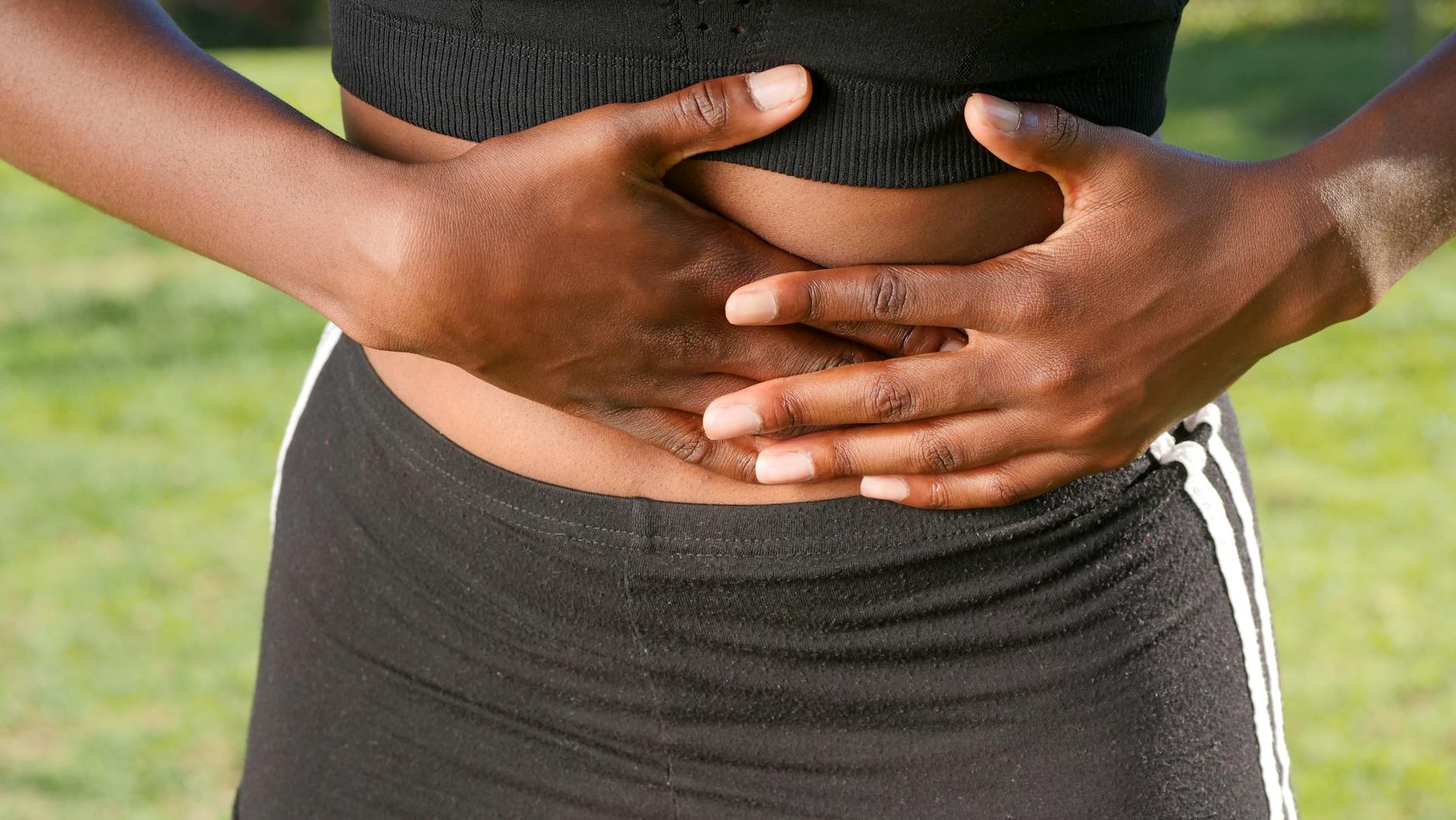
Why do fibroids occur?
We do not fully understand why they grow but growth is influenced by oestrogen, progesterone and potential hormonal imbalances. The most common type, intramural fibroids, grow within the muscular wall of the uterus and may cause heavy periods or pelvic pain.
Subserosal fibroids grow on the outer surface of the womb and can press on nearby organs, while submucosal fibroids develop just beneath the inner lining and are more likely to cause heavy bleeding or fertility issues. Some fibroids grow on a stalk (pedunculated) and may cause pain if twisted. Less commonly, fibroids can also form in the cervix. Understanding the type and location of fibroids is key to managing symptoms and choosing the right treatment.
How do I know if I have fibroids?
Women who are experiencing heavy or prolonged menstrual flow, passing blood clots during periods, tiredness related to iron deficiency anaemia, frequent urination and abdominal bloating. Some women may experience constipation, leg and lower back pain due to fibroids pushing down on the bowel and nerves in the lower spine. Typically most women who are asymptomatic find out about fibroids incidentally such as pregnancy scan or abdominal ultrasound scan. There is no specific blood or urine test to find out if you have fibroids.
Will fibroids affect my fertility?
Fibroids can sometimes affect fertility, but not always. It depends on where they are in the womb and how big they are. Increasingly more and more women are having children later in life and removal of the womb is not an option. According to the 2021 Census, the average age for a first live birth in the UK is 31 years old (source). Some types, especially those that grow into the lining of the womb, can make it harder to get pregnant or stay pregnant. But many women with fibroids have no trouble conceiving and go on to have healthy pregnancies. If you’re trying for a baby and have fibroids—or think you might—it’s a good idea to chat with your GP or a specialist to see if any treatment might help.
What is the standard treatment approach for fibroids?
Typically, women who do not have symptoms are advised to ‘watch and wait’ and get in contact with a healthcare professional if they develop symptoms. However, for women who have additional reproductive health concerns, large fibroids or symptomatic will be followed up by a gynaecologist and have regular scans to monitor the size, number and location of the fibroid(s).
There are several non-surgical ways to treat fibroids. One is uterine artery embolisation, where the blood flow to the fibroids is blocked, causing them to shrink and it is available on the NHS. There is also a newer treatment called MRgFUS (Magnetic Resonance-guided Focused Ultrasound), which uses MRI and ultrasound waves to heat up and destroy the fibroid tissue without any cuts or surgery. Also, Sonata has been endorsed by NICE, which is a transcervical ultrasound guided treatment, which uses radiofrequency ablation to destroy fibroid tissue. MRgFUS and Sonata are both currently available privately. Currently, all options are not routinely recommended in women who would like children due to risks to fertility.
Another option is GnRH (Gonadotropin-Releasing Hormone) agonist injections, which temporarily put your body into a sort of menopause, helping the fibroids get smaller—this is only temporary and reversible, and it is available on the NHS and generally speaking once discontinued and periods return women can conceive.
Surgical interventions include keyhole removal of fibroids called a laparoscopic myomectomy for fibroids that are large you may need to have an incision across your bikini line to remove the fibroids known as an open myomectomy. In some cases, particularly for women who are perimenopausal, not able to have children or no plans to have children, they undergo a hysterectomy which is the removal of the uterus (womb).
Currently, there is limited research on non-surgical interventions that preserve fertility so typically a watch and wait approach is adopted when women are asymptomatic. Women are then often subjected to surgical interventions are myomectomy (surgical removal of fibroids) and hysterectomy (removal of the womb).
Each intervention has its own merits and drawbacks, and it is important to ask your gynaecologist about treatment interventions that would suit you best as it depends on the number, size, location and whether would like to have children. If you are not happy with the advice you can always ask for a second opinion.
Here at Cultured Health Partners, we are big on promoting informed and evidence-based advice and below we outline some of the information to support you if you have been diagnosed with or concerned about fibroids so you can make to reduce the risk of fibroids and potentially reduce their impact on your life.

What potential natural ways (if any) exist to manage fibroids?
There is emerging evidence that taking vitamin D, epigallocatechin gallate (EGCG) green tea leaf extract, vitamin B6 together can effectively shrink fibroids when taken for 3 to 4 months. Studies report at single fibroid level, a 37.3% reduction in size (source) and a total reduction at 37.9% (source). The location of the fibroids of the women in the studies was not clear. Another study showed two cases of women who took vitamin D, EGCG green tea leaf extract, vitamin B6 and D-chiro-inositol (DCI) for 4 months resulted in surgery being avoided and reduction in volume up to 60% (source). Studies continue and there is currently a randomised controlled trial based on the DCI, vitamin D, EGCG green tea leaf extract and vitamin B6 combination (source).
The doses of the supplements vary in each study. The table below outlines what was used in each study.
| Supplement | ||||
| Study | D-chiro-inositol (DCI) | Epigallocatechin gallate (EGCG) | Vitamin D | Vitamin B6 |
| Porcaro et al 2020 | N/A | 150mg daily | 2000 IU daily | 5mg daily |
| Miriello et al 2021 | N/A | 150 mg daily | 1000 IU daily | 5 mg daily |
| Montanino Oliva 2021 | 50mg | 150mg daily | 1000 IU daily | 5mg daily |
| Grandi et al 2022 | N/A | 300mg daily | 2000 IU daily | 10mg daily |
While supplements such as vitamin D, EGCG, and vitamin B6 may support general health or be studied in relation to specific conditions like fibroids, individual responses can vary. These supplements are not intended to diagnose, treat, cure, or prevent any disease and undergoing further studies.
Please also note like prescribed and over-the-counter medicines, supplements also have doses that you should not exceed. Always consult with a healthcare professional (e.g. GP or pharmacist) before starting any new supplement, especially if you are pregnant, nursing, have a medical condition, or are taking any medications.
What lifestyle changes can I make to reduce the risk of fibroids?
Like with all standard lifestyle advice, maintaining a healthy weight and exercising are recommended. However, some people choose to eat anti-inflammatory foods such as blueberries, strawberries and raspberries. Also, wholegrains such as brown rice and quinoa and cruciferous vegetables (e.g. cabbage, cauliflower, broccoli and kale) have hormone-balancing properties, turmeric and extra virgin olive oil have anti-inflammatory.
Foods that several sources people should avoid include red meat (lamb, beef and pork), processed foods, foods with high sugar content and those containing monosodium glutamate (MSG). There is research to demonstrate an association between fibroid growth and stress. Relaxation techniques such as meditation, yoga, massage, tai-chai can help manage stress. You can find information about additional ways to manage stress on the NHS website.
What questions should I ask my health care provider if I am concerned about fibroids?
If you are concerned about fibroids or recently diagnosed with fibroids, you will have lots of questions and our first place many of us go currently is Google or increasingly ChatGPT for answers and reassurance. However, everyone’s situation is different, and it is important to also ask your gynaecologist or GP questions such as:
- How do I find out if I have fibroids?
- What can I do to reduce the risk of developing fibroids?
- What are their type, size and location?
- Are fibroids causing my symptoms or affecting fertility?
- What tests do I need to confirm and/or monitor them?
- What are my treatment options and their risks?
- Can lifestyle changes or non-surgical treatments help?
If you are dissatisfied with the answers you have received from your healthcare providers, remember you are entitled to a second opinion.
The information provided in this blog is for educational and informational purposes only and is not intended as medical advice. If you have questions about your health, speak to your GP or specialist.
 culturedhealthpartners.co.uk
Leave a comment